 |
|
|
|
|
|
|
 |
 |
 |
 |
 |
||
 |
 |
 |
 |
 |
||
|
|
|
|
|
|
|
|
|
|
|
|
|
|
||
|
|
|
|
|
|
||
|
|
| Old Plaster and Drywall Repair | |||
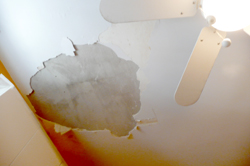
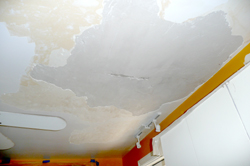
| Ceilings are a common problem, usually from water damage. | |||
 |
 |
 |
 |
|
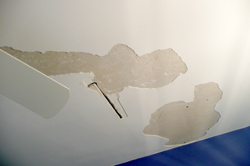
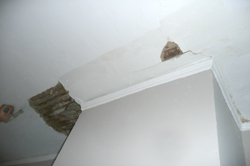
Obvious damaged areas usually show finished
layer of plaster breaking away from base layer. |
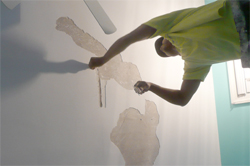
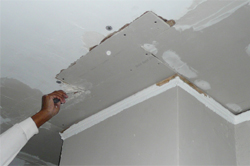
All lose plaster (finished layer separating
from base coat) must be removed, which may reveal hidden damage not yet exposed. |
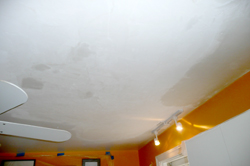
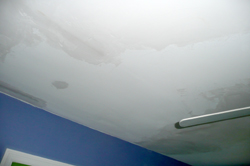
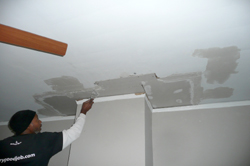
New plaster compound is applied to fill in the damaged areas, sponged and a finished coat applied until even. |
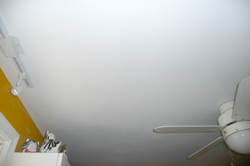
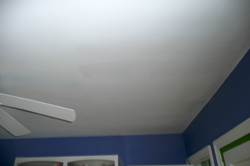
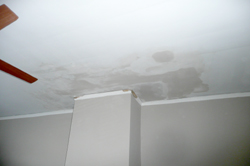
Finished project shows no indication of damage or repair. |
 |
 |
 |
 |
|
|
|||
 |
 |
 |
 |
| Old, damaged
plaster that has separated from the wooden lath strips must be removed. |
Screws will be
used to hold the remaining old plaster in place and new drywall will be cut to fit the space where the old plaster was removed. |
Tape and joint
compound will fill the spaces between the sheets of drywall. |
Additional
coats of compound are added until the surface is smooth. |
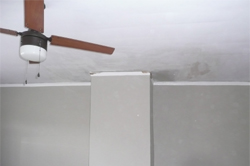 |
The finished job is ready for paint. | ||
|
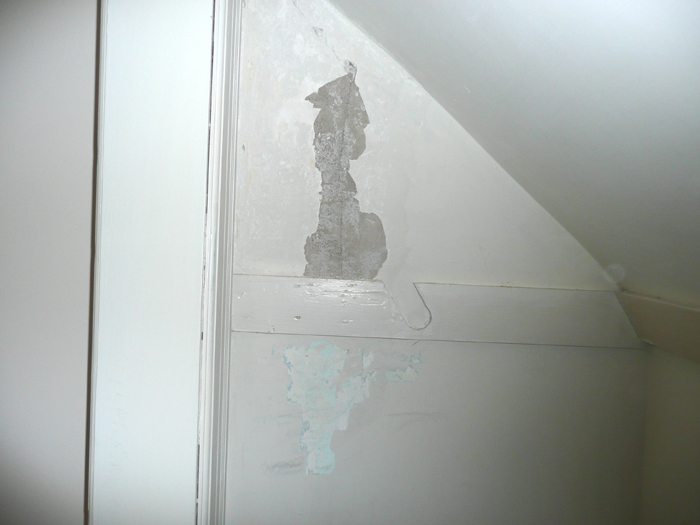
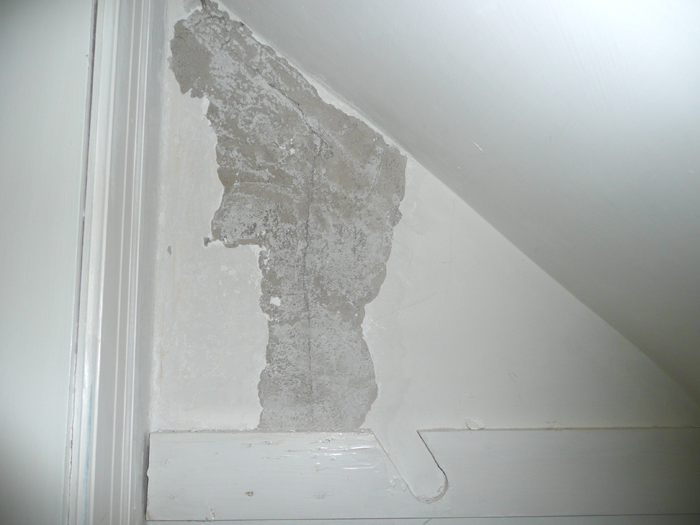
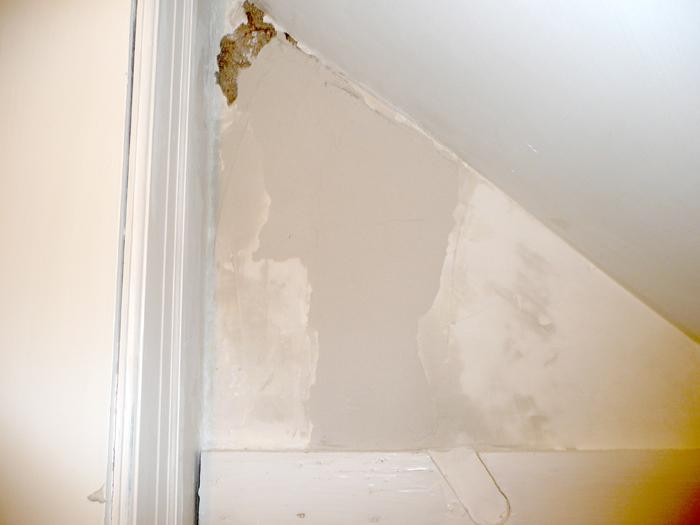
Old plaster may seem beyond repair, but total replacement is expensive, and saving the old surface has its advantages. All old plaster walls develop cracks over time. This occurs when the plaster breaks loose from the supporting wood lath. Simply filling the crack, which is an acceptable practice, does not address the cause of the crack. The “key,” which is the excess plaster that is forced through the openings between lath strips, has broken away and may allow the plaster to actually pull away from the wall lath and form bulges noticeable on the surface. The plaster should be pulled back to the lath wall itself, often employing special screws and washers that are finally covered on the surface with compound to give a smooth surface. Three coat plaster is unmatched in strength and durability. It resists fire and deadens sound transmission. The historic value of the structure may be retained by repair rather than replacement, because original lime and gypsum plaster is part of the building's historic fabric. The smooth or textured surfaces and subtle contours reflect America's early craftsmen’s skill and ability. Plaster walls and ceilings are part of the historic character of the building and should be repaired if possible.Before beginning the repair, Commonwealth Painting Company will inspect the situation to determine the cause of the damage. Structural repairs may need to be made before the plaster is repaired. In many cases, we can make minor carpentry repairs to correct the situation, or if necessary, contract building specialists for severe structural damage. |
|||
 |
|||
|
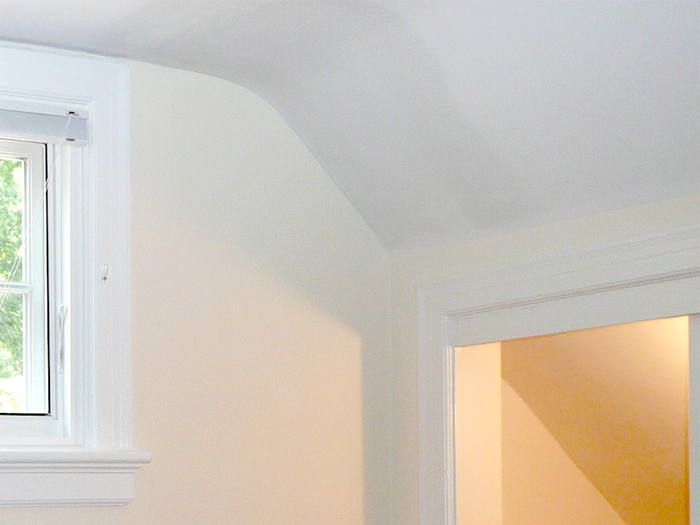
After the cause of the damage has been determined and eliminated, all loose plaster is removed from the wall surface. Drywall tape is applied to the area of the crack and drywall compound applied to fill in the crack. After drying, the compound is sanded and additional coats of compound added to create an even surface. The new surface is then painted with primer and caulked before the finish coat of paint is applied. |
|||
 |
|||
|
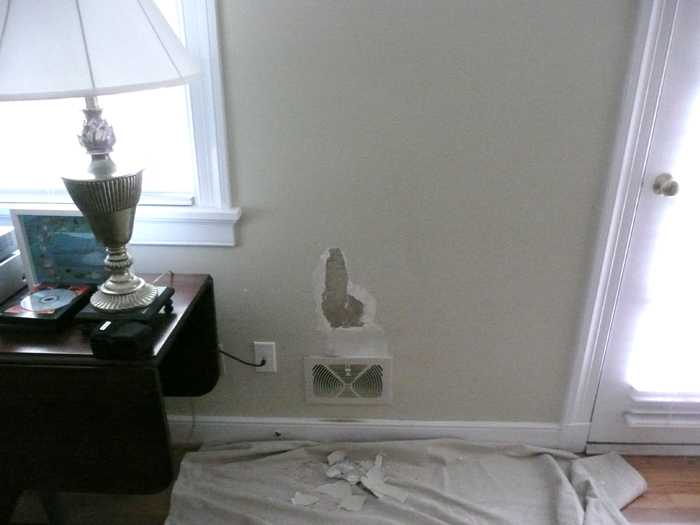
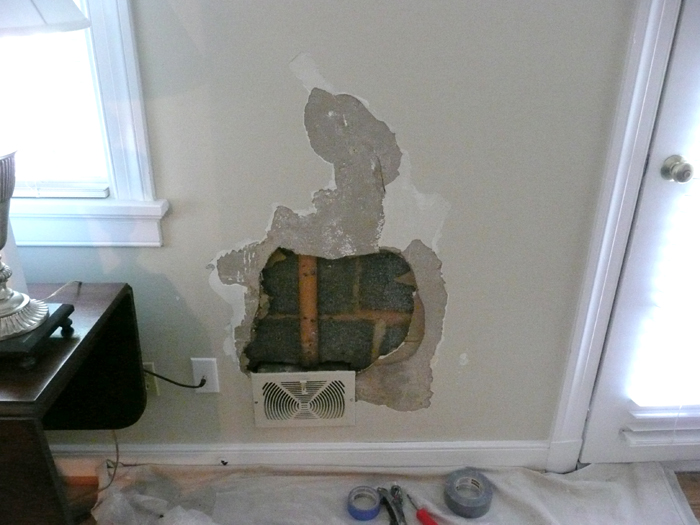
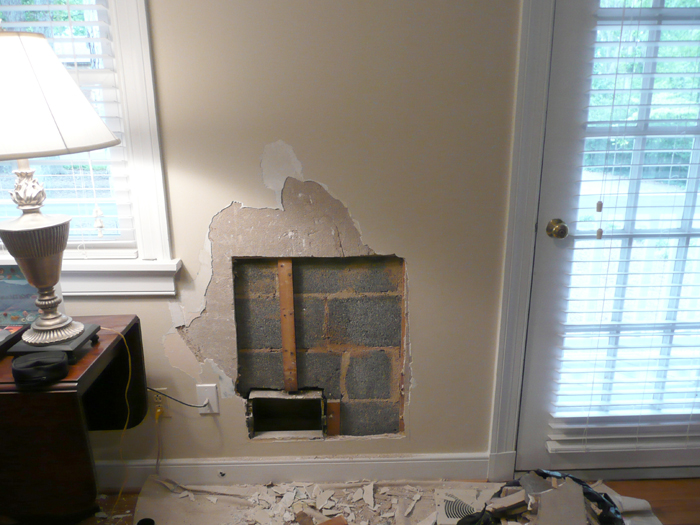
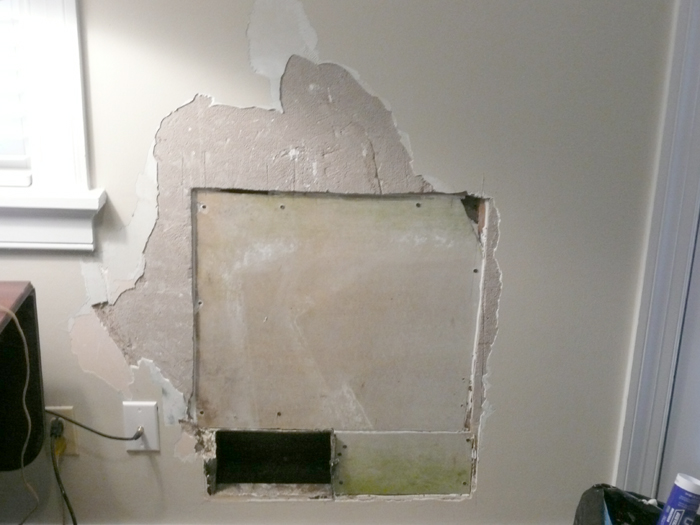
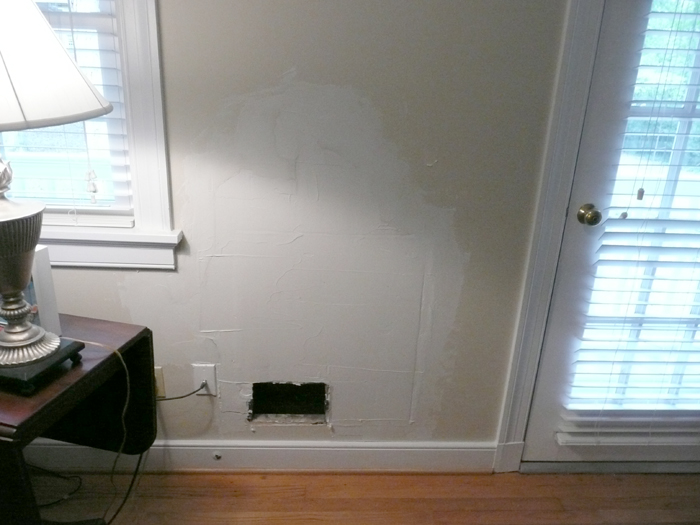
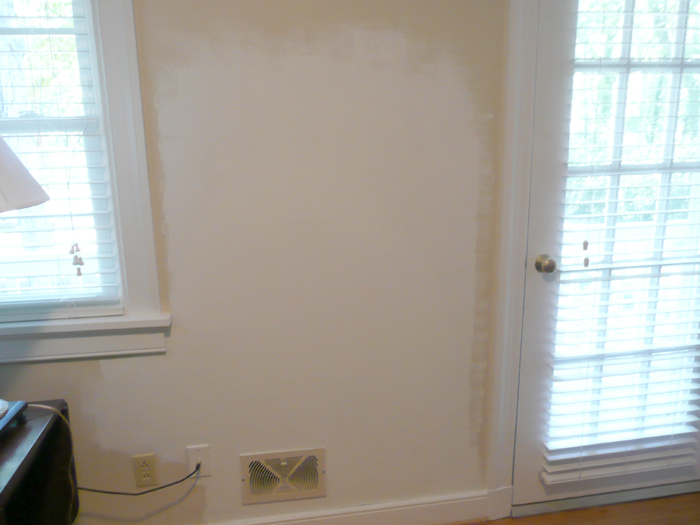
In some instances, a minor surface flaw is only an indication of much more damage underneath. In the example below, a small blister near an air conditioning vent required a large section of drywall to be removed due to excess condensation build-up around the vent, inside the wall. A new section of drywall was installed, taped, and compounded, leaving an invisible repair job after the wall was painted. |
|||
 |
|||
 |
|||
|
Commonwealth Painting of Richmond, Virginia (VA) is a residential painting contractor servicing the greater Richmond metro area. Commonwealth specializes in interior/exterior house painting, restoration painting, historic home preservation, molding repair and replacement, and drywall repair. Our professional, experienced crews focus on that unique look for your home |
|||




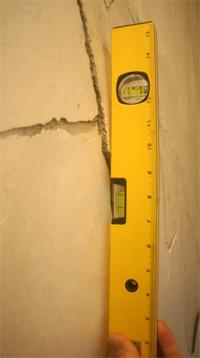 Old plaster was a versatile material that was applied to brick,
stone, timbers, and framed, lath covered stud walls. Plaster could be
finished in a variety of ways from stenciling and wallpaper to
decorative painting or whitewash. Its adaptability in the construction
process, to any building or structure, made it the wall surface of
choice until the 1940s.
Old plaster was a versatile material that was applied to brick,
stone, timbers, and framed, lath covered stud walls. Plaster could be
finished in a variety of ways from stenciling and wallpaper to
decorative painting or whitewash. Its adaptability in the construction
process, to any building or structure, made it the wall surface of
choice until the 1940s.